Understanding Your Matric Marksheet: What Each Section Actually Means
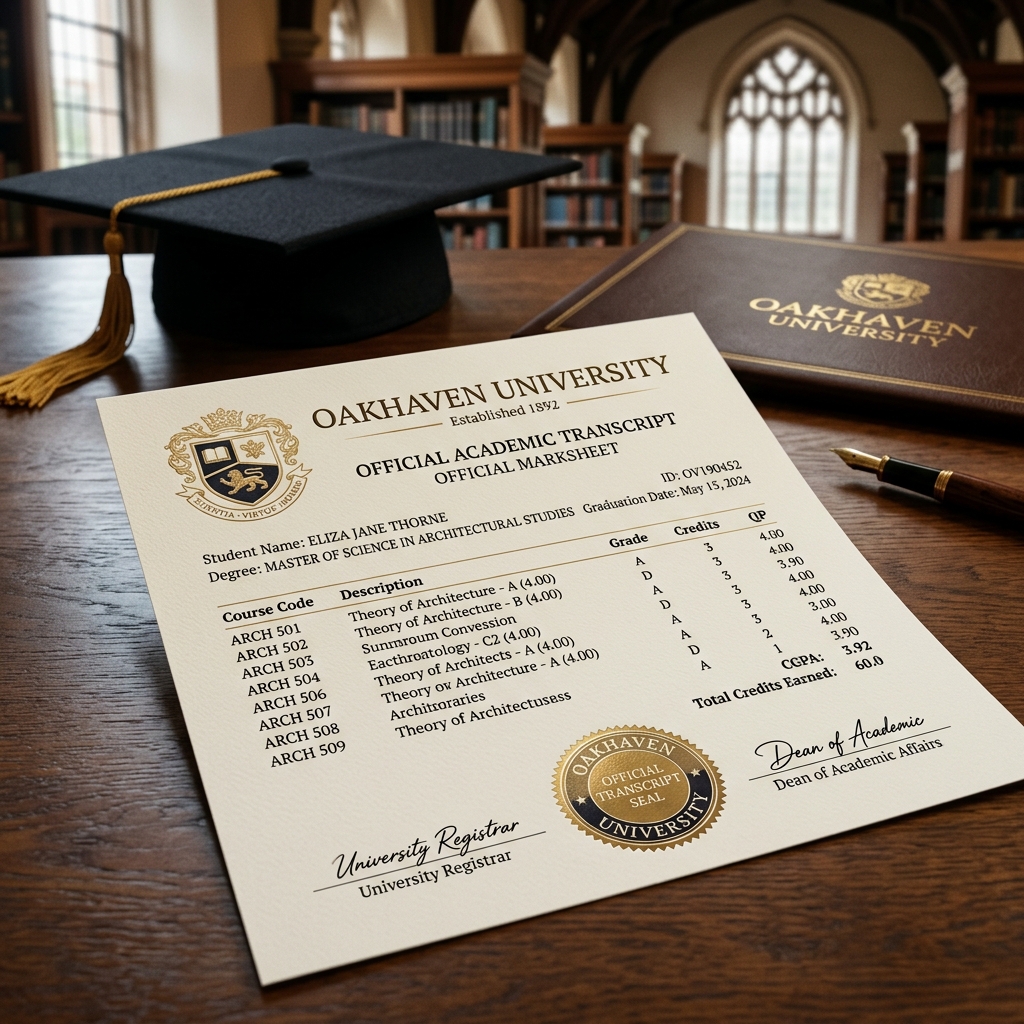
When the Matriculation result is announced, the immediate focus of every student and parent is on the big number—the grand total. However, your Result Card (also known as the Detailed Marks Certificate or DMC) contains a wealth of analytical data that explains your performance in detail. If the total number is lower than you hoped for, you can learn what to do if your result doesn't match your expectations. Understanding the structure of your marksheet is essential not only to assess your academic strengths and weaknesses but also to navigate intermediate college admissions and calculate merit criteria correctly.
1. The Raw Score Matrix: Theory vs. Practicals
In the Science Group, subjects like Physics, Chemistry, Biology, and Computer Science are split into two major evaluation formats: Theory papers and Practical exams. In 9th class, you only sit for the theory exams, which account for half of the subject's total score. The practical exams are conducted at the end of the 10th class and cover the syllabus of both years.
Your marksheet lists these portions separately. Under board rules, you must pass the theory portion and the practical portion independently. For a detailed look at how these theory and practical marks are combined, see our guide on how Punjab Boards calculate your final percentage. A common mistake is assuming that a very high theory score can cover up a failing practical score. If a student fails the practical exam, they are marked as failed in the entire subject, regardless of their theory marks.
2. Decoding Board Abbreviations
Educational boards use standardized codes to report anomalies or specific statuses on result cards. Here is the translation of the most common abbreviations you might encounter:
| Abbreviation | Term | Administrative Meaning |
|---|---|---|
| RL-Fee | Result Late due to Fee | Your paper is graded, but result is held because the school or candidate has unpaid dues. Resolvable by presenting bank deposit slips. |
| UMC | Unfair Means Case | The student was reported for cheating, bringing unauthorized material, or misbehaving. The candidate must clear themselves in front of a board committee. |
| ABS | Absent | The student was marked absent for one or more papers. Result is calculated as zero for those subjects. |
| COMP | Compartment | The student has failed one or two subjects and must clear them in the upcoming Supplementary/2nd Annual examination. |
3. The Modern GPA and Letter Grading Scale
Pakistani educational boards have transitioned away from the traditional, hyper-competitive ranking systems to a standardized letter grading and GPA system. This system is designed to match international standards and reduce student stress. The grading scale is structured as follows:
- A+ (Outstanding): 80% and above (GPA 4.0). Shows complete mastery of concepts and excellent exam performance.
- A (Excellent): 70% to 79% (GPA 3.7 - 3.9). Shows strong understanding and high competence.
- B (Very Good): 60% to 69% (GPA 3.0 - 3.6). Good average performance with room for conceptual improvement.
- C (Good): 50% to 59% (GPA 2.0 - 2.9). Clear understanding of base concepts but lacks application skills.
- D (Fair): 40% to 49% (GPA 1.0 - 1.9). Satisfies passing criteria but requires major improvement.
- F (Fail): Below 40% (GPA 0.0). Failed to meet passing standards. Must retake papers.
4. Verifying Personal Details
Before you file your result card away, you must verify your personal information. Typos are common, and correcting them later is a bureaucratic nightmare. Check the following items letter-by-letter:
- Your Name: Must exactly match your B-Form/CNIC and school admission record.
- Father's Name: Must match your father's CNIC and official registration documentation.
- Date of Birth: Ensure the day, month, and year match your birth certificate.
- B-Form Number: The registration number must correspond exactly to your official identification card.
If you spot any errors, report them to your school principal (for regular students) or write a correction application directly to the board's registration branch (for private students) within 30 days of the result release to avoid correction fees.